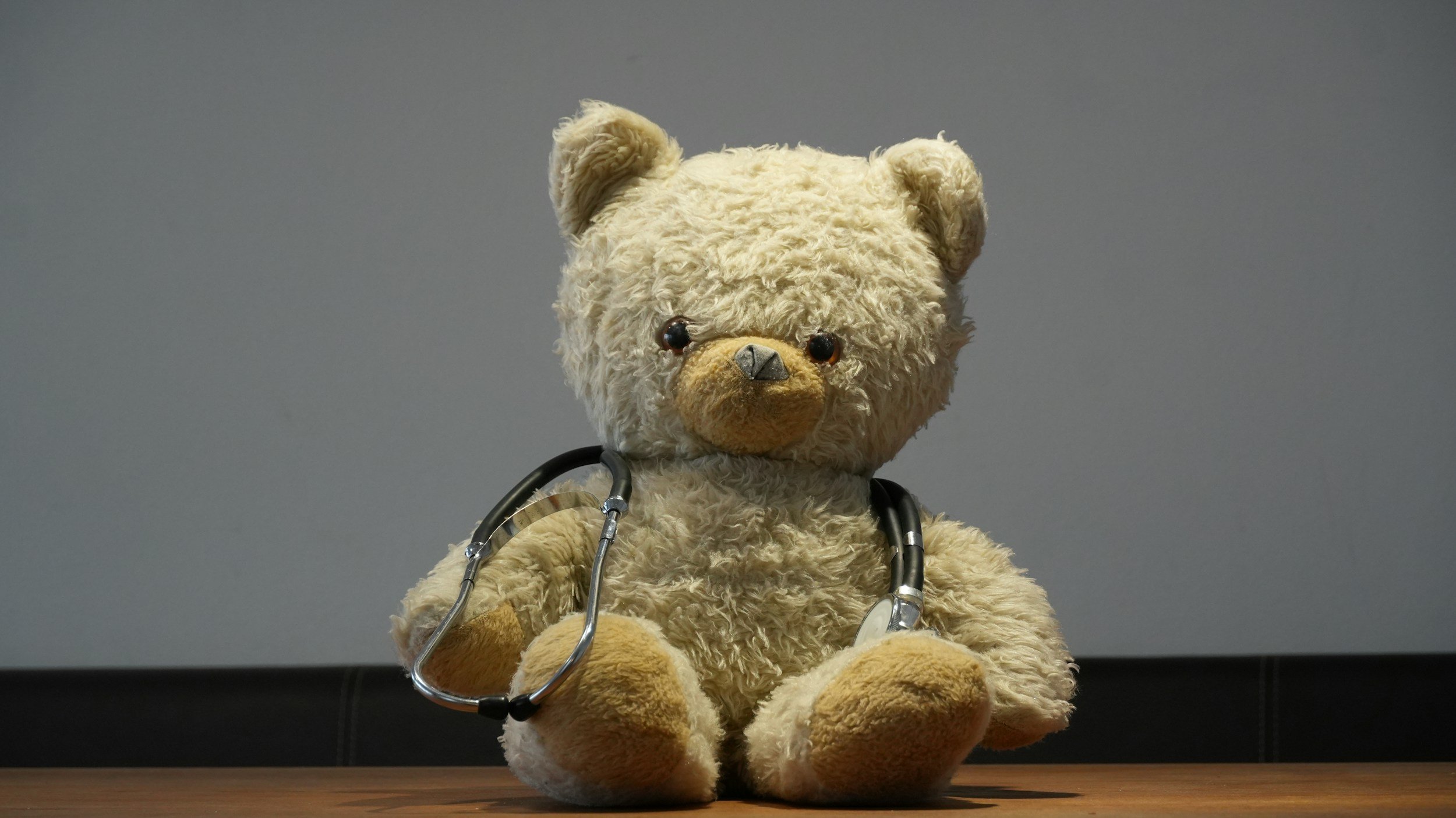
I was born in the United States, and our family relocated to India when I was three. It was around this time my obsession with healing began. Every evening, I would insist that my father pretend to have a stomachache so I could prescribe him Tums. “Now say you’re delighted and feeling all better!” I’d command, making sure he swallowed every chalky tablet. I didn’t have the language for it then, but that moment—watching someone feel restored—felt like real magic.
I chose to study medicine, believing it would bring me closest to the art of healing. However, while training on the wards, we diagnosed, prescribed, and moved on, yet the moments of magic I longed for were rare. The difference between treatment and true healing became painfully clear. I realized that to find those missing moments of magic, I needed to look upstream—to understand why people were getting sick in the first place and why some never healed despite our prescriptions.
To search for answers, I went to the London School of Hygiene and Tropical Medicine, where I learned about the social, economic, and political forces shaping health. However, I also learned that meaningfully improving health care of the population finally depended on changes in human behavior. Again, I decided to look upstream… How do we influence human behavior to meaningfully improving healthcare?
That next piece came from my personal life. During medical school, I began training in Vipassana meditation—a rigorous mindfulness practice that would quietly transform me over the years. As I grew more mindful, I watched my life begin to heal itself: my physical and mental health improved, my relationship with work became gentler, and I began to feel deeper love and acceptance for myself and the people around me. I started to wonder whether mindfulness, love, and connection were at the root of healing.
After my master’s degree I moved back to the United States and applied to medical residency programs—the traditional next step for a physician-in-training. Impressed by Dr. Tewari’s pioneering work in oncology, I sent him a cold email asking to volunteer in his lab for a few months until residency was set to begin. To my surprise, he wrote back offering me a position! I enjoyed working in the lab so much that I decided to stay and pursue a PhD.